
Cycling
Clinchers vs Tubeless: The Ultimate Test (Pros and Cons)
PUBLISHED: 2026-08-09|READ TIME: 4 MINS|AUTHOR: FRANCESCO CASTALDI
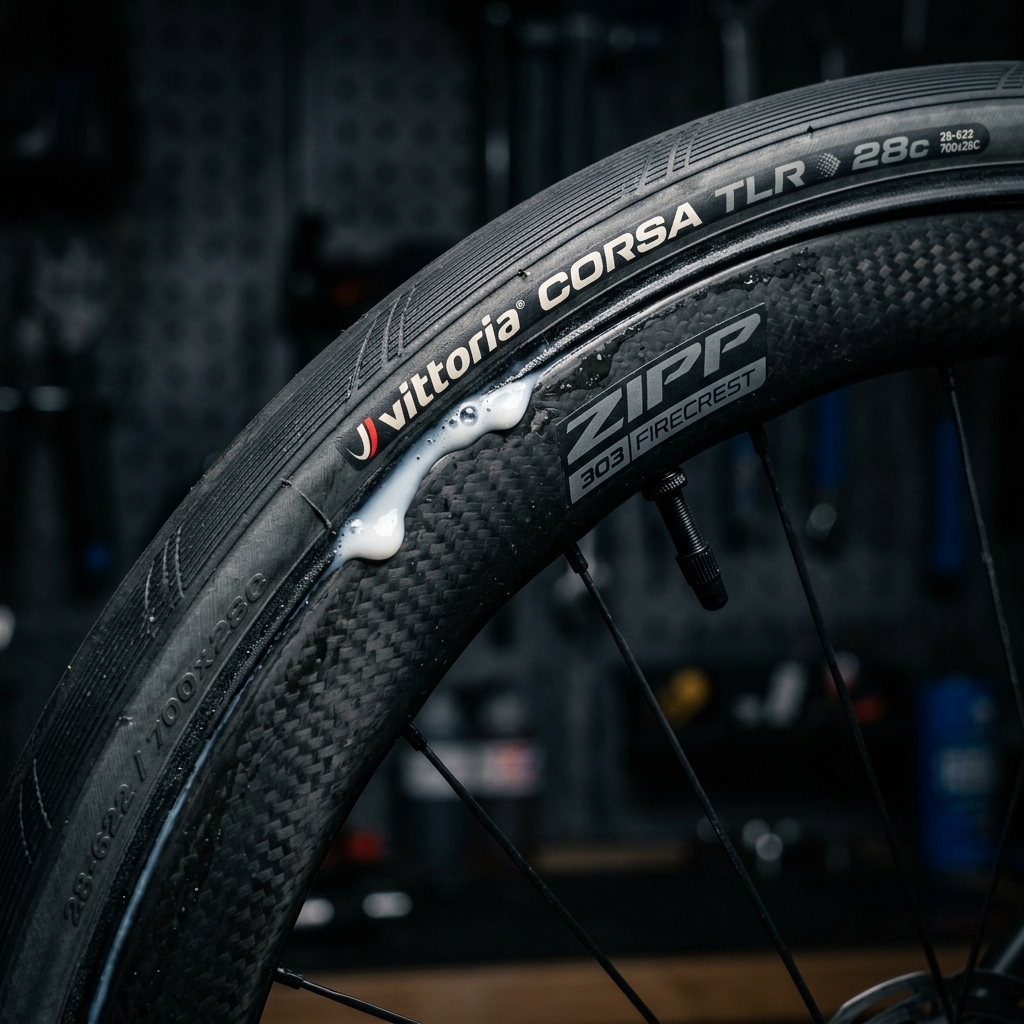
FIGURE: Clincher vs Tubeless
The End of the Inner Tube?
The road cycling world is slowly abandoning the inner tube in favor of Tubeless systems, inherited from MTB. But for the average amateur, is the juice worth the squeeze?
Comparison Table
We tested both systems over 5000 km of mixed roads. Here is the technical verdict:
| Feature | Clincher + Butyl Tube | Tubeless + Sealant |
|---|---|---|
| Rolling Resistance | Good | Excellent (Less internal friction) |
| Operating Pressure | High (7-8 bar) | Low (5-6 bar) = Superior Comfort |
| Puncture Resistance | Low (Risk of pinch flats) | Very High (The liquid seals holes < 3mm) |
| Maintenance and Installation | Very Easy | Complex (Often requires a compressor) |
[ WARNING ]
The sealant liquid in Tubeless tires tends to dry out. It must be topped up or checked every 3-4 months, especially in very hot summer months.
Which to Choose?
If you race, ride Gran Fondos, or epic tours far from home, Tubeless saves your life, closing micro-punctures on the fly without making you dismount. If you use the bike occasionally and want zero mechanical maintenance hassle, the old clincher with a good latex or TPU inner tube remains the most pragmatic choice.