
Cycling
Pedal Stroke Biomechanics: Push vs Pull
PUBLISHED: 2026-07-27|READ TIME: 4 MINS|AUTHOR: FRANCESCO CASTALDI
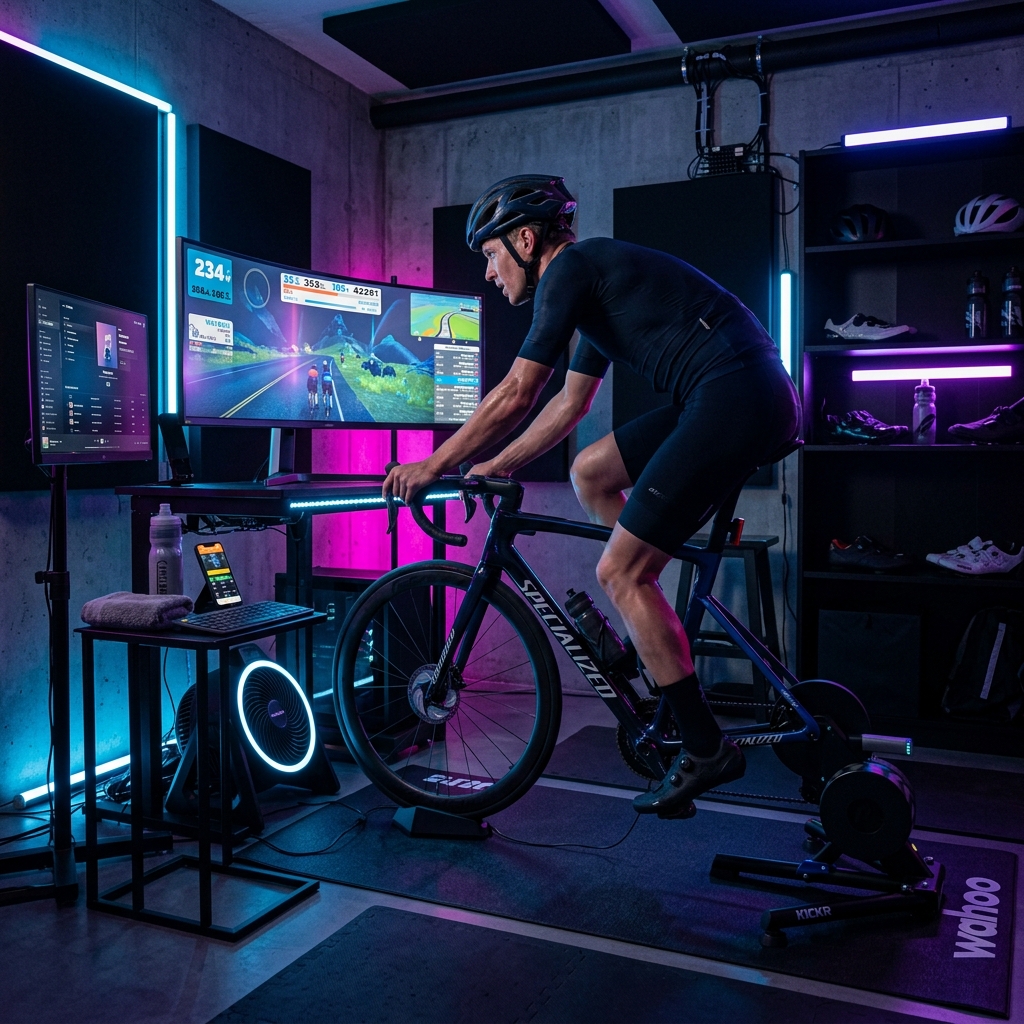
FIGURE: Pedal Stroke Biomechanics
The Myth of the Circular Pedal Stroke
Generations of cyclists have been taught the concept of "circular pedaling": pushing down with power, scraping mud off the shoe at the bottom, and pulling up forcefully on the upstroke.
Biomechanical science and power meters with advanced pedaling dynamics have completely dismantled this myth.
What Elite Cyclists Actually Do
Studies on World Tour professionals show that the best riders in the world do not pull up on the pedal.
- The Downstroke (12 to 5 o'clock): This is where 95% of the power is generated. The gluteus maximus and quadriceps deliver massive force.
- The Upstroke (6 to 12 o'clock): The goal here is not to generate power to pull the pedal up, but simply to *unweight* the leg. If you leave the dead weight of your leg on the rising pedal, your other pushing leg will have to lift it, wasting Watts.
[ WARNING ]
Actively pulling up on the pedal using the hip flexors (psoas) is extremely metabolically inefficient and is a fast track to tendinitis.
Focus on a powerful, fluid push downward, and simply "lift" the returning foot out of the way. Pedaling efficiently means reducing negative resistance, not creating unnatural positive power on the upstroke.